

Building a freelance portfolio is essential for anyone starting out as a freelancer. But what if you don’t have any paid clients yet? Don’t worry! You can still create a strong, professional portfolio that attracts clients and showcases your skills. In this guide, you’ll learn step-by-step how to build a freelance portfolio from scratch even if you have zero paid projects.

Why a Portfolio Matters for Freelancers
A freelance portfolio is your digital resume and proof of your skills. It shows potential clients what you can do, even if you haven’t worked with anyone yet. In today’s competitive market, a portfolio can make you stand out and get hired faster
What Makes a Great Freelance Portfolio?
A great freelance portfolio:
- Showcase your best work. (even if it’s self-initiated or for friends/family).
- Tells the story behind each project.
- Highlights your skills and process.
- Includes an About page and contact information.
- It is easy to navigate and mobile-friendly.
- Is optimized for search engines.
Step 1: Define Your Niche and Services
Before you start building your portfolio, decide:
- What services do you offer? (e.g., SEO, content writing, social media marketing)
- Who is your ideal client? (e.g., small businesses, startups, e-commerce brands)
- What makes you different from others?
Tip: Focus on a specific niche to stand out. For example, “SEO for local restaurants” or “Instagram marketing for coaches.”
Step 2: Choose the Right Portfolio Platform
You don’t need coding skills to build a great portfolio. Use platforms like
| Platform | Features | Best For |
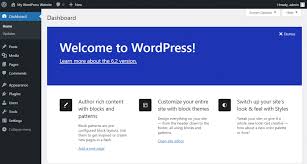
| WordPress | Highly customizable, plugins | Bloggers, marketers |
| Wix | Drag-and-drop, easy setup | Beginners |
| Pixpa | No-code, mobile-friendly, SEO tools | Creatives, freelancers |
| Behance | Creative community, easy sharing | Designers, illustrators |
| Adobe Portfolio | Syncs with Behance, simple setup | Creatives |
Recommendation: If you want full control and SEO options, build your own website using WordPress or Pixpa.
Step 3: Create High-Quality Sample Projects
If you don’t have paid clients, create your own projects:
- Personal Projects: Build a website for a fictional brand or optimize your own blog for SEO.
- Volunteer Work: Offer free services to NGOs, friends, or family businesses.
- Mock Projects: Redesign a popular website, create a social media campaign for a well-known brand (clearly label as “spec work” or “practice project”).
How to Present Each Project:
- Project title (e.g., “SEO Audit for Local Bakery”)
- Short description of the goal
- Your process and what you did
- The results (real or hypothetical)
- Screenshots or links
Tip: Quality matters more than quantity. Showcase 5–7 strong projects.
Step 4: Detailed Case Studies
For each project, write a mini case study:
- The problem or goal
- Your approach/strategy
- The steps you took
- The outcome (traffic increase, engagement, etc.)
- What you learned
Example:
Project: Instagram Growth Strategy for a Fictional Restaurant
Goal: Grow followers and engagement in 30 days
Process: Created a content calendar, ran a giveaway, engaged with local foodies
Result: Grew followers from 0 to 500, increased engagement rate to 8%
This storytelling builds trust and shows your expertise.
Step 5: Write a Compelling About Page
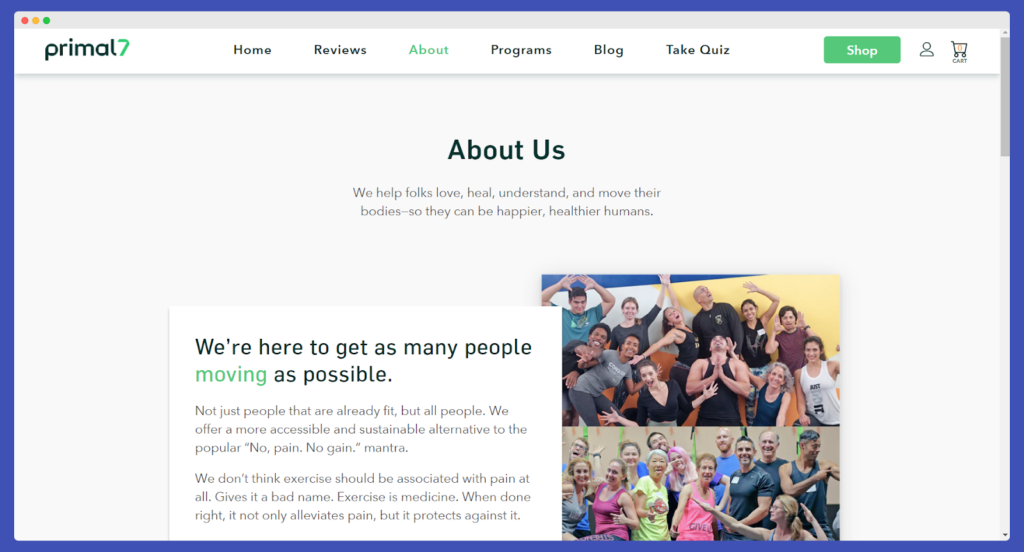
Your About page should:
- Share your background and why you chose freelancing
- Highlight your skills and tools you use
- Explain your process and what clients can expect
- Include a friendly photo
Tip: Be authentic. People hire people they trust.
Step 6: Include Testimonials (Even Without Clients)
Don’t have client testimonials? Try these:
- Character references: Ask teachers, mentors, or colleagues to write about your work ethic.
- Feedback from free/volunteer projects: Request a short review after helping someone.
- Peer endorsements: Connect with other freelancers and exchange testimonials.
Tip: Even a short, genuine testimonial builds credibility.
Also Read: AEO vs. SEO: What’s the Difference and Why Does It Matter?
Step 7: Optimize Your Portfolio for SEO
SEO helps clients find your portfolio online. Here’s how:
- Use keywords in your titles, headings, and descriptions (e.g., “SEO Freelancer in India”).
- Write clear meta descriptions for each page.
- Compress images for fast loading.
- Use mobile-friendly templates.
- Add internal links between your projects and blog posts.
- Get backlinks by sharing your portfolio on social media and relevant forums.
Bonus: Add an FAQ section with common client questions (this helps with SEO and conversions).
Step 8: Add a Blog for Extra Authority
A blog shows your expertise and helps with SEO. Write about:
- How you solved problems in your sample projects
- Tips for businesses (e.g., “5 Ways to Improve Your Local SEO”)
- Industry trends and your opinions
Tip: Use simple English and add images, infographics, or short videos to make posts engaging.
Also Read: How Email Marketing Works: From List-Building to Conversion
Step 9: Promote Your Portfolio
Don’t wait for clients to find you promote your work.
- Share your portfolio on LinkedIn, Twitter, and relevant Facebook groups.
- Join freelance platforms (Upwork, Fiverr) and link your portfolio.
- Network with other freelancers and ask for referrals.
- Write guest posts for industry blogs and link back to your site.
Step 10: Keep Updating and Improving
Your portfolio is a living document. Regularly:
- Add new projects and case studies
- Update your About page with new skills or certifications
- Refresh your design to keep it modern
- Track analytics to see which pages get the most views
Conclusion
You don’t need paid clients to build a powerful freelance portfolio. By creating quality sample projects, telling the story behind your work, and optimizing your site for SEO, you can attract your first clients and grow your freelance business. Start today, and keep improving as you gain experience.